
Cleanout field guide
2026 estate cleanout checklist
In an estate house, the box of family photos can sit right beside the dresser that's headed for the truck. Keeping those two apart is most of the job.
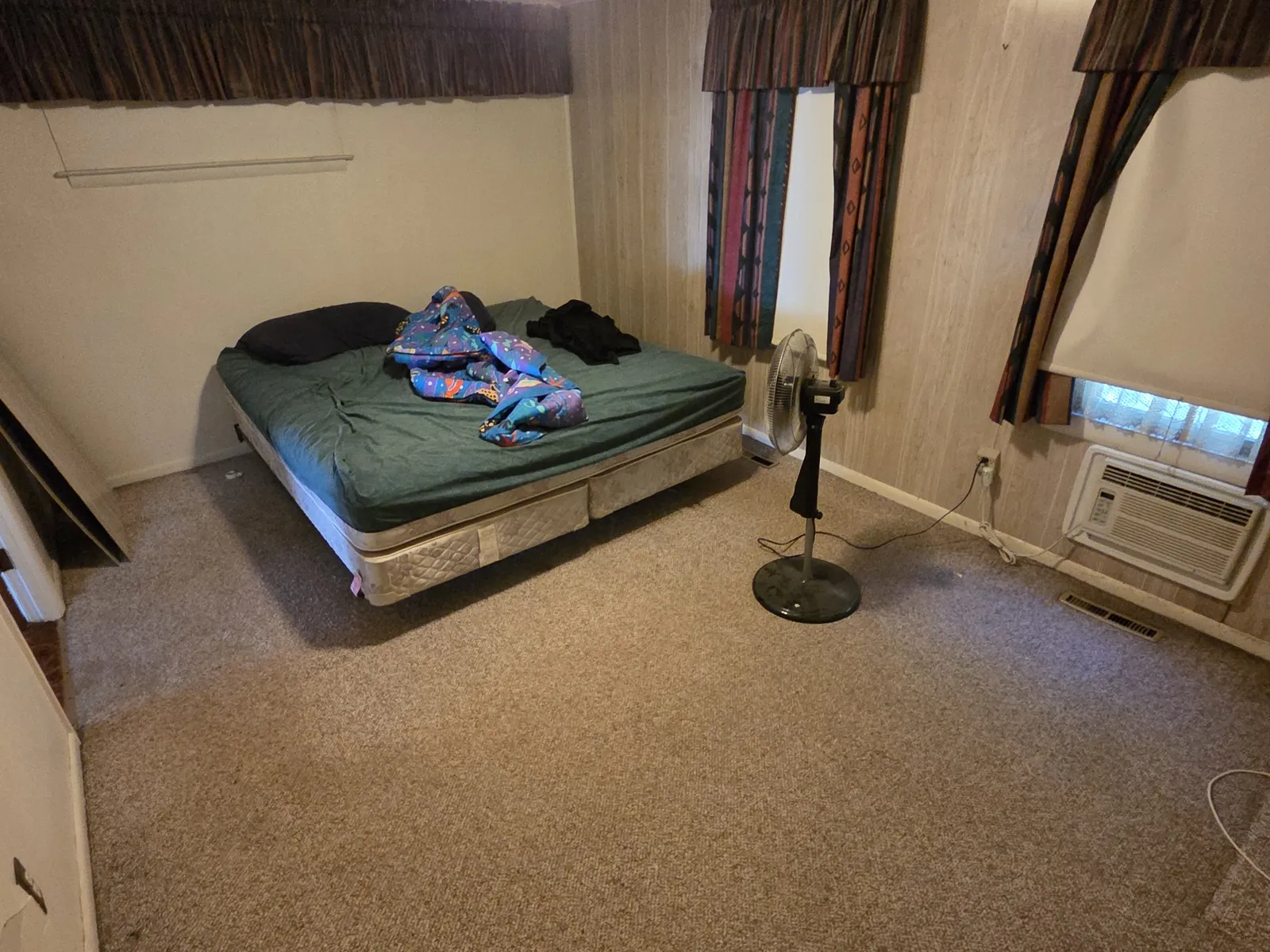
Before the truck
An estate cleanout checklist settles four things before loading: who can say yes, which room holds what stays, what's on hold, and what's cleared to go. One Call Clean Out, based in Barto, carries out the cleared list in estate homes across Berks, Montgomery, Lehigh and Bucks counties, and works around everything you've marked to stay.
Picture two things in the house: a box of photographs and a drawer of papers nobody has gone through. By the last room on this list, the box should have a home and the drawer should have an answer, even if that answer is still not yet.
15 years
in the industry
Close to 3,000
jobs completed
In this guide
01 / Who says yes
Before the first box leaves, decide who says yes
Put one name at the top of the list: the person who can say yes to anything leaving. If someone else will meet the crew, write that name down too, and agree ahead of time on which calls they can make alone. When two people want the same piece, write down who's sorting it out, and leave it where it is until they do.
Pennsylvania law requires the estate's executor or administrator to file a verified estate inventory [1]. Your cleanout list is a smaller, plainer thing: it tells helpers what to keep, hold or haul away. The formal inventory and the legal calls belong to the executor and the estate's adviser.
Names first. Sorting second.
The four lines to fill in first
| The question | What to write |
|---|---|
| Who says yes | One name, plus a phone number that person actually answers |
| Pieces two people want | The item, who's sorting it out, and what has to happen before it can go |
| The real deadline | Closing or move-out day, as the person in charge set it |
| Who meets the crew | Whoever's there for the walkthrough and can answer questions on the day |
Still waiting on a yes for some things? Set them to one side, photograph the open rooms, and jot down your questions for our estate cleanout service.
The first walk-through is for looking, not packing. Closets and kitchen cupboards hold more than you'd guess, and somebody has to decide whether the attic, the garage and the shed are part of this job. Photos from wherever it's safe to stand are plenty. A note about a blocked hallway, or a thing nobody can name, tells Justin where to look closer.
Who says yes
Pieces two people want
The real deadline
Who meets the crew
02 / Papers and photos
Give records and keepsakes a room that's off limits
Pick the keep room before anyone opens a drawer. Label the door, and tell every helper the same thing: nothing in here leaves. Papers that still need a look get their own pile, apart from the keepsakes you've already decided on.
Small wins help. Clear one shelf or one drawer the decision maker can settle right now, and finish it before the next box hits the floor. Hallways and doorways stay open the whole time.
The FTC recommends keeping documents with personal or financial information in a safe place and shredding them when you decide to discard them [2]. Before anything goes in a shred bag, ask whoever's handling the estate which records have to stay. An old date on a statement isn't a reason to toss it.
What to set aside, and what happens next
| Set aside | What happens next |
|---|---|
| Financial, identity and estate papers | A private spot to wait, and a note of who's going through them |
| Family photographs and original letters | Someone to take them, or a safe indoor shelf until someone does |
| Keys, devices and lock codes | A name beside each one, and nothing private showing in shared room photos |
| Belongings promised to someone | Who's picking it up, and when, before it goes anywhere near the door |
For original papers and photographs, the National Archives recommends storage away from damp basements, garages and hot attics, away from leaks and on shelving [3]. In a house that's being emptied, that usually means a closet shelf in a lived-in room, where the photo box can sit while everything else moves around it.
Old computers and external drives get the same pause. One of them might hold the only copy of the family photos or the estate records, so the person in charge decides what to save before anyone wipes or moves it. The FTC's computer-disposal guidance puts backing up first, then erasing. The recycling run can wait.
When the choices get harder than a checklist can hold, our guide to handling a loved one's belongings with care is written for exactly that.
Put a name on it
Who's going through the papers or the family pieces?
Give it somewhere to wait
Write down where it sits while it's staying or still undecided.
03 / The decision log
A decision log with room for an honest “not yet”
Every hold needs a person. Next to hold for review, write who's deciding and what they're deciding. Then the family has one clear question to answer instead of a vague pile in the corner.
Keep one copy of the list that everybody shares. With a room name and a photo number beside each line, a relative calling from out of state and one standing in the dining room are talking about the same chair. Sensitive papers stay out of those photos.
Not decided means not loaded
The paper drawer nobody's read
Write down the decision before you change the label.
Still being read
HOLD
Name who's reading the papers. The drawer stays off the truck list.
A crew on the calendar doesn't change that.
Someone with the say-so decided
WRITE THE NEXT STEP
What stays or goes, who said so, and what happens next.
Either someone's taking it, or it's on the cleared list.
Whichever side a line lands on, it carries two things: the name of the person deciding, and what they decided, even when that's still hold.
Swap the sample lines for your real items and names. When a hold turns into a yes, note who said it, and leave the old line visible so the rest of the family can see what changed.
Four sample lines from a decision log
| Item and photo reference | Status and next step | Decision maker or recipient | What must happen next |
|---|---|---|---|
| Family photograph box | Keep, on the keep room shelf | Whoever's taking the originals | Pick a pickup day |
| Paper drawer nobody's read | Hold | Whoever's reading the estate papers | Read before anything is shredded |
| Furniture someone hopes to donate | Waiting on the charity | Whoever's calling the charity | The charity takes this piece and says how it leaves |
| A piece cleared to go | Goes with the crew | The person with the say-so | It's on the job list |
Not every spoon needs its own line. Ask the person in charge whether the everyday stuff can share one, and save separate lines for valuables, disputed pieces and anything a relative has claimed.
A shelf of plain dishes headed to the same place can be a single entry. A marked box of one relative’s china stays its own line, even when it's sitting right next to them.
04 / Where things go
Know where an item can go before you call it ready
Special materials stay out of the general pile until their route is settled. A label that says recycle or donate is a hope until a real program has said it'll take that item.
- Household chemicals: EPA advises keeping products in their original containers with labels and never mixing leftovers. For a container that's corroding, call the local hazardous-materials official or the fire department for instructions [4].
- Medicines: FDA recommends a drug take-back program for most unwanted or expired medicines [5]. Instructions vary by medicine.
- Electronics: Every program has its own list. Berks County's 2026 schedule separates resident electronics from commercial or institutional deliveries, which require an appointment [6].
- Donation candidates: Charities judge the actual piece. Berks ReStore requires upholstery to be clean and free of stains, wear, tears or damage [7]. Keep a backup plan for the sofa until somebody says yes.
Check the county and the delivery type
Montgomery County's regional household hazardous-waste events serve residents of Montgomery, Bucks, Chester, Delaware and Philadelphia counties, and they don't take businesses or people from other counties. Montgomery events require registration [8]. A Berks address doesn't qualify through that regional list.
Rules change, so check before you load the car: current hours, whether you need an appointment, and whether a paid hauler is allowed to drop off. None of these county programs means One Call Clean Out hauls there, or that every item qualifies. When our crew carries things out, usable pieces can go to places like Goodwill, Liberty Thrift or Perkiomenville Auction. Whatever plan you land on goes on the log, so nothing gets counted twice.
Timing matters too. A sofa waiting on a charity's answer still takes up the living room, and a buyer's pickup can land after our crew has come and gone. Leave a little slack in the calendar before you lock the removal list.
Out of the general pile
Check before you load the car
Put the plan on the log
05 / The price
Turn the list into a cleanout estimate
Justin doesn't need a close-up of every teacup. One wide photo of a room, with the staying pieces marked, tells him more than a pile of shots of single items.
Planning ranges, not quotes
Final price set at the walkthrough
Match the list to the house
A Attic
B House rooms
C Garage
D Basement
Name the rooms
Every room, closet and outbuilding that's part of the job.
Mark what stays
Staying and undecided pieces, marked so nobody guesses.
Show the carrying path
Stairs, tight turns and where the truck can park.
What to send with your estimate request
- Wide room photos from wherever you can stand, plus close-ups of anything heavy or odd.
- Stairs, tight turns, parking, elevator rules and where the truck can load.
- What's staying, what's still waiting on a call, and any special items with their own plan.
- Is sorting finished? Who can okay a change?
- How the rooms should be left, and any cleaning, shutoffs or repairs you've booked with someone else.
Here's how the price works. One Call Clean Out gives you a range from your notes and photos, then Justin walks the house and sets the exact job and the final price before removal starts [9]. Bring your newest list to that walkthrough, so the price matches what you've actually decided.
For any quote, ask what happens if a held piece joins the list later, or a charity turns something down. Our estate cleanout cost guide goes deeper on prices and the questions to ask, and its worksheet belongs next to your room list. A bedroom count alone won't price a house.
A range from notes and photos
Bring your newest list
Justin walks the house
Final price before removal starts
06 / The last walk
Walk the agreed rooms before handing over the keys
Use the same room names you started with. If the list says upstairs bedroom closet, open that closet. A glance from the hallway doesn't count.
Drawers and cupboards on the list get opened too, and so does any detached garage or shed. The staying pieces should be right where they were marked, and anything waiting on a separate pickup gets a note.
One customer described the day this way: “Justin, the owner, led his team of two others and they carefully cleaned out every closet and drawer and shelf, in a very professional and friendly manner.” (Deborah Einhorn, Google review)
Before the crew starts, and after they finish
| Before loading | When the work's done |
|---|---|
| Show the crew the keep room and the held pieces | They're still exactly where you left them |
| Go over the newest removal list | Every named room and item checked against it |
| Point out special items and work that isn't ours | A note of what's left and who's handling it |
| Say who can okay a change | Day-of changes saved with the original list |
| Sort out how the crew gets in, and the keys | When the keys change hands, and who has them next |
Hang on to any receipts or disposal records the charities, recyclers or haulers give you, along with the final list and a few after photos. If the estate needs a particular kind of paperwork, ask ahead. Not every place hands out the same receipt.
Remember the photo box and the paper drawer. By now the box should be with the relative taking it, or on its shelf in the keep room, and the drawer should have an answer, even if that answer is still hold. When both are true, get your estate cleanout estimate for everything that's ready to go.
Use the same room names
Open listed drawers and cupboards
Keep receipts and after photos
Questions about planning an estate cleanout checklist
Is an estate cleanout checklist the same as a Pennsylvania estate inventory?
No, they do different jobs. Pennsylvania law requires the estate's executor or administrator to file a verified estate inventory, which is a legal record. A cleanout checklist is a working room list: it tells helpers and the crew who says yes and which belongings to keep, hold or haul away.
How much does an estate cleanout cost and how many days does it take?
One Call Clean Out's planning range for a whole-house or estate cleanout is $1,200 to $6,000, with the exact price set in person. On site, a full estate usually takes two to two and a half workdays. How much is inside and how hard it is to carry move both numbers, and our estate cleanout cost guide breaks the range down.
How should families protect estate papers, photos, and old computers during sorting?
Give them a labeled keep room indoors, away from damp basements, garages and hot attics, before anyone opens a drawer. Personal and financial papers stay secure until the person handling the estate decides what's kept and what's shredded, as the FTC advises. Computers and external drives wait too, until someone backs up the family photos or estate records on them.
How should we handle leftover chemicals, medicines, or electronics on an estate checklist?
Keep them out of the general pile until each one has a place to go. EPA advice is to leave household chemicals in their labeled original containers, FDA points to drug take-back programs for unwanted medicines, and electronics and hazardous-waste drop-offs follow county rules on residency and appointments. One Call Clean Out doesn't take pesticides, insecticides, antifreeze, explosives, acids, paint thinner or most heavy chemicals.
Licensed
and insured
3 trucks
and 2 trailers
Sources and further reading
- Pennsylvania General Assembly. Duty of personal representative, 20 Pa.C.S. 3301
- Federal Trade Commission. What To Know About Identity Theft
- National Archives. How to Preserve Family Archives (papers and photographs)
- U.S. Environmental Protection Agency. Household Hazardous Waste (HHW)
- U.S. Food and Drug Administration. Where and How to Dispose of Unused Medicines
- Berks County Solid Waste Authority. Electronic Recycling Center, 2026
- Habitat for Humanity Berks ReStore. Donate
- Montgomery County. Household Hazardous Waste
- One Call Clean Out. One Call Clean Out cleanout estimate process
Business details supplied by Justin Erb, November 2026.
LIMITED-TIME OFFER
Year-end special: save $25 or $75 on your cleanout.
Take $25 off any job of $200 or more, or $75 off any job of $500 or more.
Through December 31, 2026. One discount per job. Job totals count before any resale credit.
Clear what's ready. Leave what isn't.
Once the family agrees on what can go, that list is your estimate request. Anything still on hold waits in the keep room until somebody decides.
Text Justin photosGet my estimateCall (484) 714-0484