
Cleanout field guide
Handling a loved one’s belongings with care
A hall closet looks ordinary until you find a stack of letters tucked behind the winter coats. Before anything gets hauled out, your family needs room to separate what stays from what's leaving.
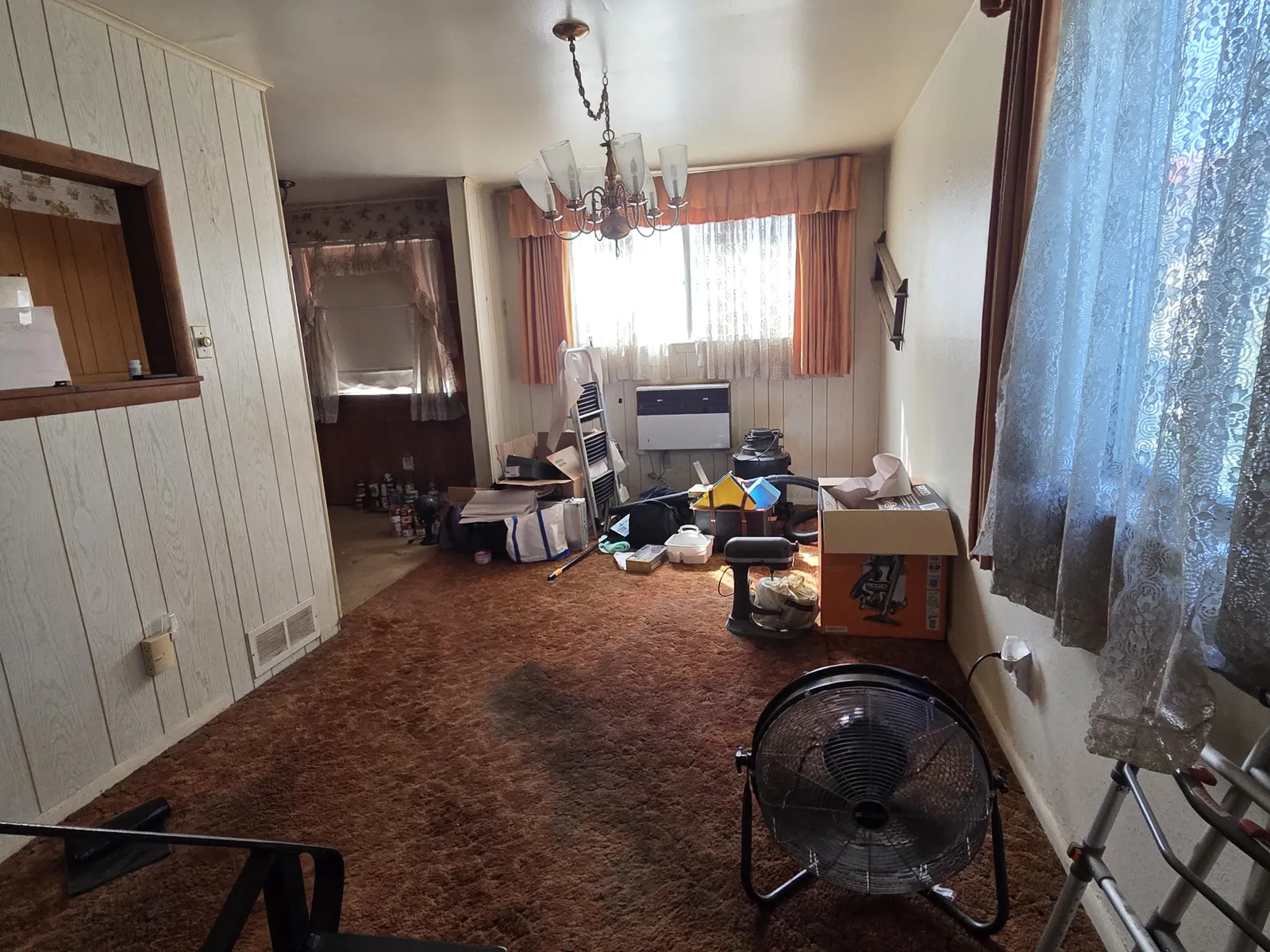
One shoebox of family photos can hold a completely different memory for each person opening it [1]. When two relatives ask for that same box, write down both wishes and leave it off the removal list.
To handle a loved one's belongings with care, set personal papers, photos and keepsakes in one marked keep room with the estate's decision-maker before listing what goes. When you're ready for an estate cleanout across Berks, Montgomery, Lehigh or Bucks County, Barto-based One Call Clean Out clears only what you've approved.
Nobody clears decades of family life in one afternoon. St. Luke's Hospice guidance on belongings recommends starting with one small drawer or box, taking real breaks, and leaving space for pieces you aren't sure about yet. Spotting what's inside and keeping it safe for later is plenty for day one. From there, a simple shared log protects what matters right through cleanout day.
Four counties
Berks, Montgomery, Lehigh and Bucks
Close to 3,000
completed jobs
In this guide
What family keepsakes to protect first
Drawers, coat pockets and buffets hide things a quick look from the doorway misses. Check inside envelopes, desk cubbies and suit pockets for tucked-away letters, spare keys or snapshots as you start your keep-and-hold list. Nothing goes on a haul-away list until those quiet spots are checked.
Sorting goes slower when memories are attached to every shelf, whether a parent has passed away or is moving out of a longtime home. "We were involved in moving our elderly father, who was finding it difficult to let go of memories, out of his home." (Aileen Evans, Google review) VNA Hospice's bereavement guidance recommends choosing a trusted helper who respects your pace. Let that friend write labels, take photos or meet family pickups while leaving uncertain keepsakes alone.
Set one room or corner aside for small keepsakes. Heavy pieces like a dining hutch or walnut chest can stay right where they sit. Tie a tag to a handle, and write the room spot on your list too. Fallen tags can't erase a written list.
1 keep room
marked before listing what goes
One helper
who respects your pace
Two backups
handle tag and written room list
Four things to flag before anything leaves
- House keys, deeds, tax folders, military papers and family letters tucked inside desks or closets.
- Borrowed tools, rented medical equipment, or heirlooms where two relatives both asked to keep them.
- Sealed attic totes and unopened hall boxes.
- One family point person our crew calls if a room label and the written list ever disagree.
Our estate cleanout checklist walks through executor sign-off, room lists, local donation rules and cleanout week. Once you know what stays safe, the next trap is a keep pile with no plan to leave the house.
Four things
flagged before anything leaves
1 point person
called if tags and list disagree
Why a keep pile still needs names and dates
A sticky note that says keep doesn't move a dining table out of the house before closing day. Every claimed piece needs a driver and a date.
Give each notable item a plain name, like blue photo box in the hall closet or cherry bureau in the front bedroom. Use those exact words on the tag, photo and shared log so nobody mixes up two brown boxes. Until the person in charge signs off on who takes a piece and when, keep it on hold.
| Status | What to write down | What happens next |
|---|---|---|
| Requested | Everyone who asked for the piece | Whoever signs off for the estate reviews it |
| Approved to keep | Who's taking it and which home it goes to | Lock in the pickup person and date |
| On hold | Why the call is still open | Name who's settling the question |
| Sale, charity or cleanout | Auction, thrift drop-off or crew removal | Make sure that charity, buyer or crew takes it |
| Picked up or cleared | Where it went and who saw it leave | Mark it finished so nobody hunts for it |
1 driver, 1 date
needed for every claimed piece
Five statuses
tracked on one shared log
3 places
same name on tag, photo, log
Put a fresh date on the log whenever a plan changes and send that newest copy to whoever's unlocking the door on cleanout day. Week-old screenshots in a family group chat are how mistakes happen, especially when closing arrives before a sentimental question is settled.
Text Justin photos1 week out
ideal notice to book
Next-day
visits often available
How to hold undecided items past closing
Say closing is Friday, and two cousins still both want the originals in that blue photo box from the hall closet. You don't have to force a rushed vote on the porch.
One temporary keeper
Name one relative with dry indoor room to hold the box intact.
One note with the box
Keep the open question and follow-up date attached to the lid.
| Field | Sample note |
|---|---|
| Item and location | Blue photo box, hall closet |
| Status | On hold. Leave off the cleanout list. |
| Open question | Two cousins asked for the originals, and the executor hasn't settled it yet. |
| Follow-up | [Name] talks with both relatives before [discussion date]. |
| Temporary custody | Still open at move-out: [authorized person] picks a holding home and [name] carries the box over. |
| Move-out check | [Name] texts confirmation that the box arrived at [approved spot] before [move-out date]. |
Temporary custody lets you empty the house on time without forcing a rushed choice. One relative keeps the sealed box in a safe indoor closet while everyone reviews copies. Once it lands, a quick text confirms it's safe.
Sometimes an open question's about money rather than memories, like whether a dining set or shop tools could sell. Our resale and cleanout credit guide explains how that works. Sellable pieces may go to Jake's Flea Market or Perkiomenville Auction, while clean household donations can go to Liberty Thrift or Goodwill. Only eligible resale value can lower a cleanout bill, and a credit isn't guaranteed. Still, one summer cleanout quoted at $4,800 dropped to $1,800 after One Call Clean Out resold a large majority of the items. Answering open questions takes even clearer notes when relatives aren't local.
One summer cleanout with resale
Credit depends on eligible resale items
Sorting estate items with out-of-town family
A wide photo of a crowded bedroom rarely gets a useful answer from a sibling three states away. Distant relatives can't tell which chair is behind the boxes or how big a bureau really is from a doorway shot.
With family keepsakes, add the context a camera misses, like who built the footstool or which holiday dinner used that platter. One cousin may be glad to keep a scan of a handwritten recipe while another takes the baking dish itself. Offer copies as an option without assuming a picture replaces the original.
Before sharing any digital folder with extended family, sweep desks and tabletops for private mail. Tax returns, bank statements, account passwords and medical records belong in a closed folder with the executor, never in a group photo album. For each household piece you do share, the five details below keep remote replies clear.
1 piece
photographed close up at a time
Five details
sent with each item photo
| What to include | Why it helps |
|---|---|
| Plain name and close-up photo | Avoids mixing up two look-alike chairs or boxes |
| Measurements and room floor | Shows whether it fits their vehicle and doorway |
| The exact answer you need | Splits a quick yes-or-no from a real pickup date |
| Who signs off for the estate | Keeps one text reply from overriding the executor |
| Reply-by date | Stops one unanswered message from stalling closing week |
Unanswered messages past that date don't mean toss it: move the item back to hold until the person in charge makes the call.
20,300 lb
hauled away, plus a shed demolished
Roughly 2
workdays, ahead of her flight
Where family papers and old photos can safely wait
Unsorted family papers
Note who's reviewing the box and which main-floor closet holds it while it waits.
Loose prints and negatives
Handle prints by the edges with clean gloves and keep film strips flat in sleeves.
Saving a box of family letters doesn't help much if it sits on a damp basement floor for the next month. The National Archives advises storing family papers and photographs away from damp basements, garages and hot attics, and well clear of pipes or flood risks [2]. Pick that dry indoor spot before stacking boxes in the rooms you're clearing.
Clear off a clean table for sorting albums and letters, with coffee cups and water bottles in another room. The National Archives' handling guidance calls for clean, lotion-free hands when touching paper and gloves when handling photographs and negatives. Support brittle pages underneath, and leave torn documents or stuck prints for a trained conservator.
Safe boxes and shelves for family archives
- Dry indoor shelves away from sinks and food [2].
- Boxes wide enough for original papers to lie flat or stand upright without folding or curling [2].
- Folders and boxes that aren't overstuffed, made from acid-free or buffered lignin-free stock [2].
- Photo sleeves passing the Photographic Activity Test [2].
Label the outside of every box plainly and keep your working decision log separate from the fragile originals inside. Spare grocery cartons crush brittle edges.
Scanning lets relatives share snapshots right away, though digital files don't replace the paper print. The National Archives recommends preserving originals and jotting down who's in the photo, where it was taken and the date. Start with sturdy loose prints. Forcing a stiff album flat on glass or feeding delicate pages through a roller scanner tears old paper.
Keep digital copies where everyone can still find them next year. The National Archives recommends three copies across two types of storage, with one copy kept offsite. If those scans sit on a home computer in the study, set that computer aside before the cleanout crew arrives.
3 copies
recommended by National Archives
2 types
of storage for digital scans
1 copy
kept offsite
Walking the rooms before loading starts
Start that final check with electronics. Pull laptops, desktop towers, phones and external drives off the removal pile until whoever runs the estate saves needed files. For computers, the FTC explains backing up files before erasing the drive.
Once keepsakes and computers are set aside, you can call, text doorway photos or use our form for an initial estimated range from Justin Erb. Whole-house and estate cleanouts typically run $1,200 to $6,000 and are best quoted in person. We've never charged by the truckload: your price comes down to how much is leaving, where it sits and what it weighs.
Before any lifting starts, an on-site walkthrough matches your written list to each room, notes every staying piece, and locks in the final price.
Careful pacing in a family home is what customers remember afterward. "They were on time and were respectful of the objects and the house." (Deborah Einhorn, Google review)
Plain written words beat color-coded stickers nobody remembers by afternoon. Whenever you use colored tape, write a simple color key right beside it. If an item is still on hold or a tag conflicts with the list, our rule is simple: leave it alone and ask your point person.
Planning ranges, not quotes
Final price locked in at walkthrough
Ask Justin Erb for an estimated range.
Get my estimateFive checks before loading starts
- Each room on your written list matched against the furniture and boxes in front of you.
- Your closed keep room and tagged staying furniture.
- Corners holding pieces set aside for a relative's pickup, an auction or a charity run.
- The one person our crew checks with before anything changes on the list.
- How you'll walk the emptied rooms together before the trucks pull out.
Five checks
before loading starts
One walk
through emptied rooms before trucks leave
15 years
in the cleanout industry
By the time our trucks pull into the driveway, that blue photo box from the hall closet isn't an open worry anymore. It's either sitting safely with the relative holding it or waiting inside your marked keep room while we carry out the heavy rooms. Whenever your list is ready, you can request an estate cleanout estimate or see how our crew works on our estate service page.
Text Justin photosOne week out
ideal lead time before settlement
Three trucks
and two trailers on our core team
Seven helpers
available for larger properties
Questions families ask about sorting an estate
Where should a family start when sorting a loved one's house?
Start with one drawer or closet alongside whoever signs off, and put personal papers, keys and photos in a marked keep room first. You don't have to tackle the basement, attic and bedrooms in one weekend. Letting a trusted friend handle labels and photos gives you room to take real breaks.
How can families include out-of-town relatives in estate cleanout decisions?
Send distant relatives a clear close-up photo of one piece at a time with its dimensions, floor level and a reply-by date. Using the same plain item name on the tag and shared log prevents mix-ups between rooms. Ask who's picking a kept piece up and by what date so open requests don't stall closing week.
What should we do with disputed or undecided family belongings?
Keep any borrowed, rented or disputed item on hold and off the removal list until whoever runs the estate settles it. When closing arrives early, one relative can hold a sealed keepsake box temporarily and text when it's safely stored. Date every update on your log so nobody works from an old message.
How do we make sure heavy staying pieces are not removed by mistake?
Tie a visible tag onto heavy staying furniture, note its room spot on your written list, and point it out at the walkthrough. Even if a tag gets knocked off, your written list still protects the piece. One Call Clean Out clears only what's on your approved plan, so staying dressers and dining tables aren't touched.
Sources and further reading
Business details supplied by Justin Erb, November 2026.
LIMITED-TIME OFFER
Year-end special: save $25 or $75 on your cleanout.
Take $25 off any job of $200 or more, or $75 off any job of $500 or more.
Through December 31, 2026. One discount per job. Job totals count before any resale credit.
Call Justin when your family is ready
Justin Erb started in his uncle's cleanout business in 2011. Today, most of One Call Clean Out's work comes by word of mouth from past customers calling back and people they recommend us to. You can call or text between 7 a.m. and 7 p.m. whenever your list is set. Once the letters from the hall closet are safe, we'll carry out the rest.
2 to 2.5 days
to finish most estate cleanouts
3 trucks
2 trailers, 3 to 4 helpers